Find your visa in 10 seconds
Tell us why you are coming to Bali — we will recommend the right visa and reply on WhatsApp.
Choose your Bali visa
C5A Creator / Remote Worker Visa
Remote workers, content creators, freelancers
Check eligibility →E33G Digital Nomad KITAS
Income-earning nomads (no local sponsor PT)
Check eligibility →Prices are our all-in agency service estimates, not official government fees. Final cost depends on nationality, duration and sponsor. This is general information, not legal advice.
How it works — 4 simple steps
- 1. Free consultationMessage us your plan; we confirm the right visa & documents.
- 2. Document preparationWe prepare forms, sponsor letter & checklist with you.
- 3. We file & sponsorOur sponsor partner files on the e-visa portal and tracks it to a decision.
- 4. ApprovedYou receive your e-visa / KITAS by email — we stay available for renewals.
What you will need
Passport & photo
Proof of funds / income
Sponsor / invitation
Purpose details
Why applicants trust Balievisa
Bali immigration as our single focus, transparent pricing, sponsor partners, and one dedicated concierge from first message to approval. We answer real questions — no bots, no hidden fees.
About us · Our team · Concierge service
Talk to a visa specialist on WhatsApp
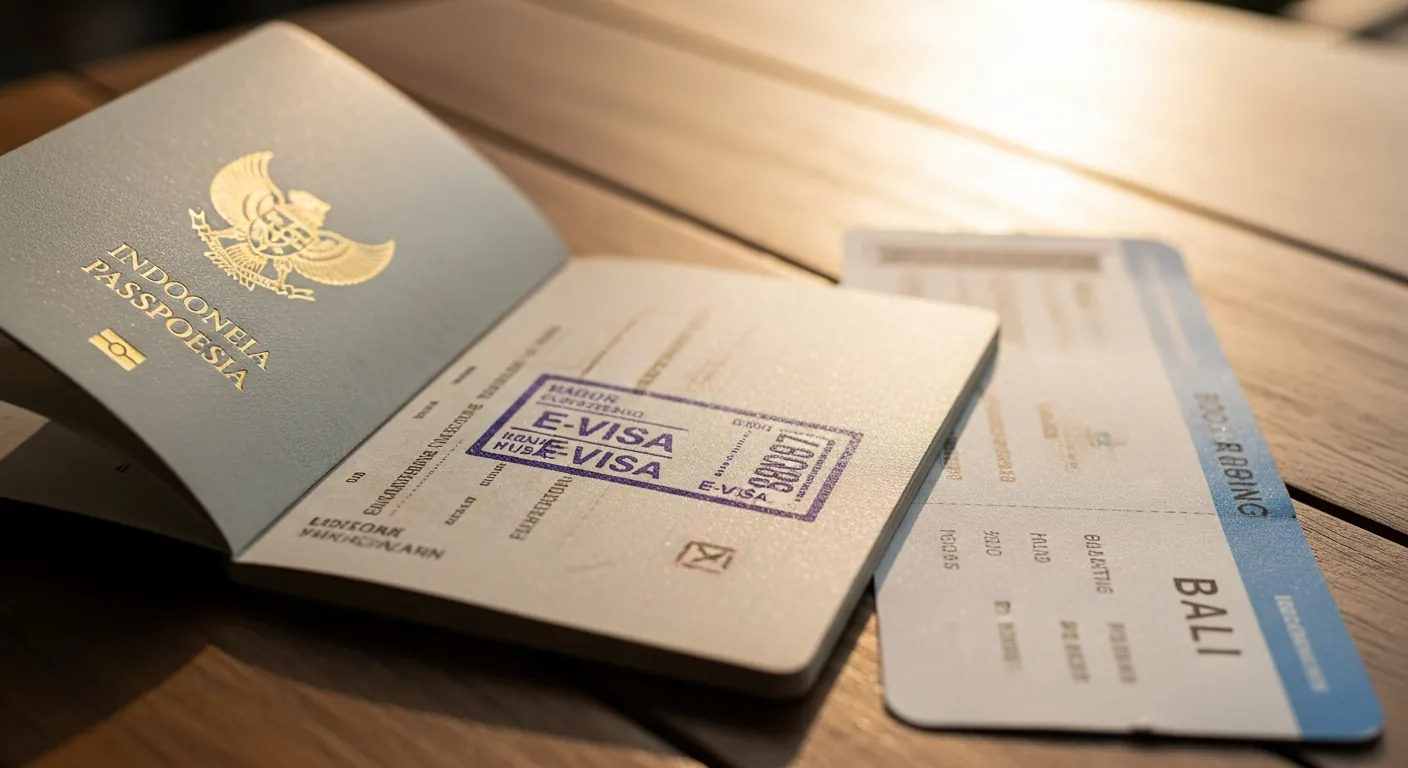
The Bali eVisa system represents a modern, digital approach to gaining entry into Indonesia, specifically designed to streamline the process for international travelers heading to the island of Bali. This electronic visa facilitates online applications for various types of entry permits, including the popular electronic Visa on Arrival (e-VOA) and the B211A tourist visa. By enabling digital submission of required documents, the system offers a pre-approved entry experience, significantly reducing processing times and queues upon arrival at Ngurah Rai International Airport. It simplifies the initial step of international travel to Bali, ensuring a smoother transition from air to island for countless visitors.
Understanding the Bali eVisa System for Entry to Indonesia
The allure of Bali, with its vibrant cultural tapestry, volcanic landscapes, and serene beaches, draws millions of foreign visitors annually. Navigating the entry requirements is the crucial first step for any traveler, a process now significantly streamlined by the Indonesia eVisa system. This digital platform, managed by the Directorate General of Immigration of the Republic of Indonesia, centralizes and moves the entire visa application procedure online, enhancing efficiency for those wishing to enter Indonesia.
The system encompasses several visa types relevant to tourists and short-term visitors. The primary options for general tourism purpose include the electronic Visa on Arrival (e-VOA) and the B211A tourist visa. Each of these serves different travel durations and specific purposes, necessitating distinct application processes and documentation. A fundamental requirement for many nationalities is holding a passport with at least six months validity from the date of planned arrival in Indonesia. Without this, visa eligibility is often denied, irrespective of other submitted documents. The convenience of the eVisa lies in its pre-approval; travelers arrive with their visa already processed, significantly reducing queue times upon landing in Bali.
What is the Electronic Visa?
An electronic visa, or e visa, is a digitally issued travel authorization. Instead of applying at an embassy or consulate and receiving a physical stamp or sticker in a passport, applicants complete the entire process through an official website. Once approved, the visa confirmation is typically sent via email, often including a unique reference number or a qr code. This digital confirmation is then presented to immigration officials upon arrival in Indonesia. This system is part of a global trend towards modernizing travel documentation, making international travel more accessible and less bureaucratic for eligible nationalities visiting Bali.
The Electronic Visa on Arrival (e-VOA) for Bali
The e-VOA is a particularly popular choice for individuals planning short-term tourism visits to Bali. This visa allows an initial stay of 30 days in Indonesia. The application process is conducted entirely apply online through the official Indonesia e-VOA portal. This visa on arrival is a single entry visa, meaning it is valid for one entry into the country. If you leave Indonesia, you will need to apply for a new visa to re-enter.
Required documents for the e-VOA typically include:
- A clear digital image of the applicant’s passport biodata page, ensuring all details are legible.
- A recent digital passport-style photograph meeting specific dimensions and background requirements.
- Proof of onward or return travel, which can be an airline ticket or a booking confirmation showing departure from Indonesia within the visa‘s validity period.
Upon successful application and payment, the e-VOA is issued electronically. Travelers are advised to print a copy or keep a digital version readily accessible on their mobile device for presentation to immigration officers upon arrival in Bali. This pre-approved visa on arrival significantly speeds up the entry process, contributing to a smoother arrival experience.
Applying for Your e-VOA Online
The process to apply online for an e-VOA for Bali is designed to be user-friendly. Applicants need to visit the designated official website for Indonesian online visas. The steps generally involve:
- Registration: Creating an account on the official visa application portal.
- Application Form: Filling out the personal details, travel information, and passport details accurately.
- Document Upload: Uploading the required digital copies of your passport and photograph.
- Payment: Paying the visa fee using an accepted credit or debit card.
- Confirmation: Receiving an email confirmation once the visa has been approved. This confirmation often includes a qr code that can be scanned upon arrival.
It is crucial to ensure all information provided is accurate and matches your passport details to avoid any delays or issues with your visa upon arrival in Bali.
The B211A Tourist Visa: An Alternative Entry Visa
For travelers seeking a longer stay than the 30 days offered by the e-VOA, or those from countries not eligible for the visa on arrival, the B211A tourist visa presents a viable alternative. This entry visa also facilitates tourism to Bali and Indonesia, typically allowing an initial stay of 60 days. Unlike the e-VOA, the B211A visa can often be extended, providing more flexibility for extended visits. This is also a single entry visa, meaning it permits one entry into the country.
The application for a B211A visa is also primarily an online process, though it may sometimes require a sponsor in Indonesia, depending on the applicant’s nationality and the specific regulations at the time. This bali visa is suitable for those whose travel plans extend beyond a month and who wish to fully immerse themselves in the Indonesian experience without the immediate need to depart.
Requirements for the B211A Visa
While the exact requirements for a B211A visa can vary, common documents and criteria include:
- A valid passport with at least six months validity from the date of arrival.
- A recent passport-sized photograph.
- Proof of sufficient funds to cover your stay in Indonesia.
- A return ticket or onward ticket out of Indonesia.
- A letter of sponsorship from an Indonesian individual or company (if required for your nationality).
- A completed visa application form.
The B211A visa is a more comprehensive visa than the visa on arrival, reflecting its longer validity and potential for extension. It is essential to check the latest requirements on the official immigration website or consult with an Indonesian embassy or consulate in your country of residence before applying for this bali visa.
Exploring Multiple Entry Visa Options
While the standard tourist visa options like the e-VOA and B211A are typically single entry visa types, Indonesia does offer a multiple entry visa for specific purposes, primarily for business or long-term commitments. These visas are generally not available for pure tourism. For individuals needing to frequently enter Indonesia for purposes such as attending regular business meetings, conferences, or engaging in certain professional activities, a multiple entry visa can be invaluable. This type of visa allows the holder to enter and exit Indonesia multiple times within a specified period, usually one or two years, with each stay limited to a certain number of days (e.g., 60 days per visit).
Applying for a multiple entry visa is often more complex than for a single entry visa. It usually requires sponsorship from an Indonesian company, detailed itineraries, and a clear justification for the need for multiple entries. These visas are processed through Indonesian embassies or consulates abroad, or through the Directorate General of Immigration in Indonesia, rather than through the simplified eVisa portal for tourists. Travelers considering this option for business meetings or other non-tourism activities should consult official Indonesian immigration resources for the most accurate and latest information regarding eligibility and application procedures for a multiple entry visa.
Navigating Visa Extensions and the Extension Process
For visitors holding an e-VOA or a B211A tourist visa, the possibility of extending their stay in Bali and Indonesia exists, subject to certain conditions. The initial 30-day e-VOA can typically be extended for another 30 days, bringing the total stay to 60 days. The B211A visa, which initially grants 60 days, can often be extended up to four times, each extension granting an additional 30 days, potentially allowing for a total stay of 180 days. This extension process is a critical consideration for travelers planning longer visits to Bali.
The extension application must be submitted to a local immigration office in Indonesia before the current visa expires. It is crucial to initiate the process well in advance, usually at least 14 days before the expiry date, to avoid overstay penalties. The process typically involves:
- Submitting an application form.
- Providing your passport and current visa.
- Submitting a copy of your return ticket (if applicable).
- Attending an interview and possibly providing fingerprints and a photograph at the local immigration office.
The fees for visa extensions are separate from the initial visa application fees. Understanding the regulations and timelines for the extension process is vital for any visitor wishing to prolong their stay in Bali beyond the initial validity of their bali visa. Failure to extend a visa in time can result in significant fines and potential deportation, impacting future travel to Indonesia.
Key Requirements for All Bali eVisa Applicants
Regardless of the specific type of bali evisa or new visa category being applied for, several fundamental requirements apply to almost all international travelers seeking to enter Indonesia. Adhering to these is paramount for a successful application and smooth arrival.
- Passport Validity: As mentioned, a passport valid for at least six months from the date of arrival is non-negotiable for most nationalities. Some countries may require even longer validity. This is a strict immigration rule.
- Return or Onward Ticket: Proof of a confirmed return ticket or an onward ticket to another country is generally required. This demonstrates that the traveler intends to depart Indonesia within the permitted visa period.
- Sufficient Funds: Applicants may be asked to demonstrate that they have sufficient funds to cover their expenses during their stay in Indonesia. While not always explicitly checked for an e-VOA, it is a standard requirement for many types of visa.
- Health and Safety: Travelers must comply with any prevailing health regulations, which may include vaccination requirements or health declarations, especially in response to global health situations.
- Clean Immigration Record: A history of overstaying visas or other immigration violations in Indonesia or other countries can negatively impact a new visa application.
It is always advisable to check the official Indonesian immigration website for the most current and specific requirements pertaining to your nationality and intended purpose of visit to Bali.
Streamlining Your Arrival at the Airport with an eVisa
One of the most significant advantages of obtaining a bali evisa prior to travel is the streamlined experience upon arrival at the airport. Specifically at Ngurah Rai International Airport in Denpasar, Bali, having a pre-approved electronic visa means that travelers can bypass the traditional visa on arrival queues, which can often be lengthy, especially during peak travel seasons. Instead, those with an eVisa can proceed directly to the immigration counters designated for pre-approved visas.
Upon arrival, visitors with an eVisa will typically present their passport and the printed or digital copy of their visa confirmation to the immigration officer. The officer will verify the details, scan the visa, and then stamp the passport with the entry date. This process significantly reduces waiting times and contributes to a more efficient and less stressful start to your trip in Bali. The pre-approval means that the eligibility checks have largely been completed before you even board your flight, making the final step of entry into Indonesia much smoother. This efficiency is a key benefit for individuals who have chosen to apply online for their visa.
Eligibility for Other Countries and Nationalities
The eligibility for various types of bali evisa and visa on arrival schemes varies significantly depending on the applicant’s nationality. While many countries are eligible for the 30-day visa on arrival, a specific list of other countries may qualify for the electronic visa on arrival (e-VOA). Similarly, the B211A tourist visa may have different requirements or availability for citizens of different nations.
Travelers from some nations may require a traditional visa obtained from an Indonesian embassy or consulate in their home country prior to departure, regardless of their intention for tourism. These individuals would not be eligible for the eVisa or visa on arrival facilities. It is imperative for all prospective visitors to check their specific nationality’s requirements on the official Directorate General of Immigration website for Indonesia. This ensures that they apply for the correct visa type and avoid any issues upon arrival. The rules for online visas are generally clear, but they do differ based on the country of origin, affecting how one can enter Indonesia.
Important Latest Information and Updates on Bali Visas
The landscape of international travel regulations, particularly concerning visas, is subject to change. The Indonesian government, through its immigration authorities, periodically updates its policies regarding the bali visa, including the electronic visa and visa on arrival schemes. These updates can include changes to eligible nationalities, application procedures, visa fees, or even the introduction of a completely new visa category. For instance, sometimes specific travel documents, such as a titre de voyage for certain refugees or stateless persons, might have unique processing requirements for an entry visa.
Travelers planning a trip to Bali should always seek the latest information from official sources.